Because the search for the perfect puppy requires the answers.


The Havapoo, also known as the Poovanese or Havadoodle, is a delightful hybrid dog breed. It combines the best traits of two parent breeds: the Havanese and the Poodle. This mix results in a small, intelligent, and affectionate companion perfect for families, singles, and all ages alike.
In this post, we’ll delve into the breeds that make up a Havapoo, exploring their characteristics and why this combination is so beloved.

When it comes to the Havapoo, the magic is in its parent breeds! This delightful hybrid is a mix of the Havanese, known for their charming personalities and silky coats, and the Poodle, famous for their intelligence and hypoallergenic qualities. Together, they create a pup that’s not only adorable but also smart, loving, and easy to train. Let’s take a closer look at these two wonderful breeds to see how their best traits shine through in the ever-adorable Havapoo!
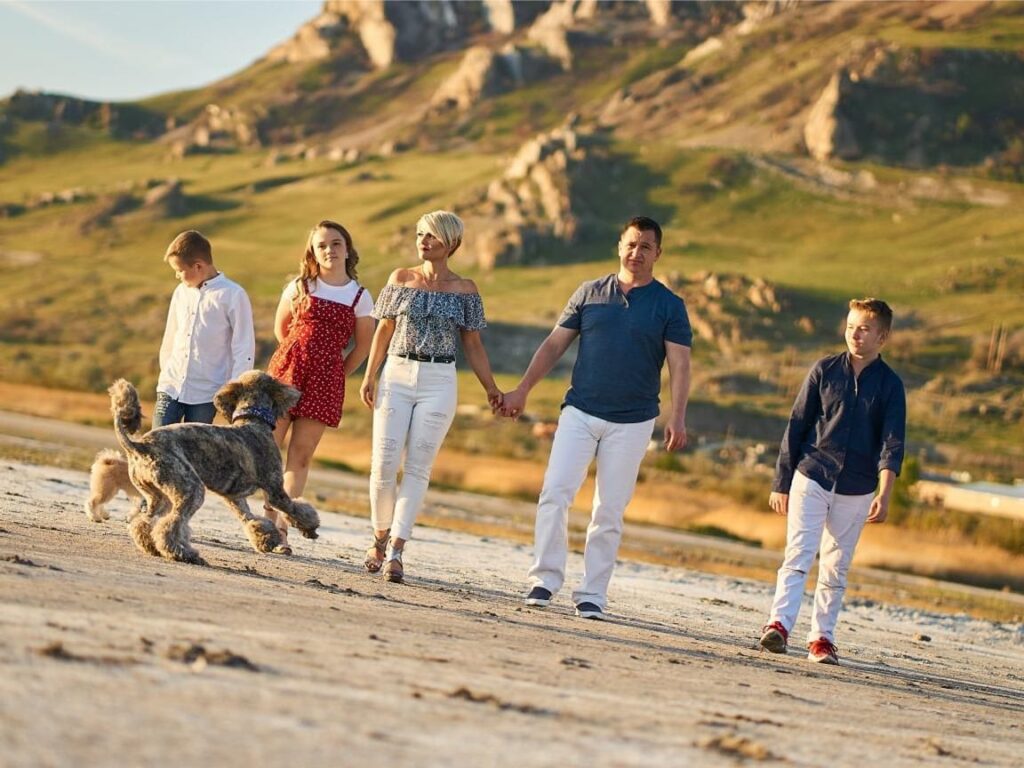
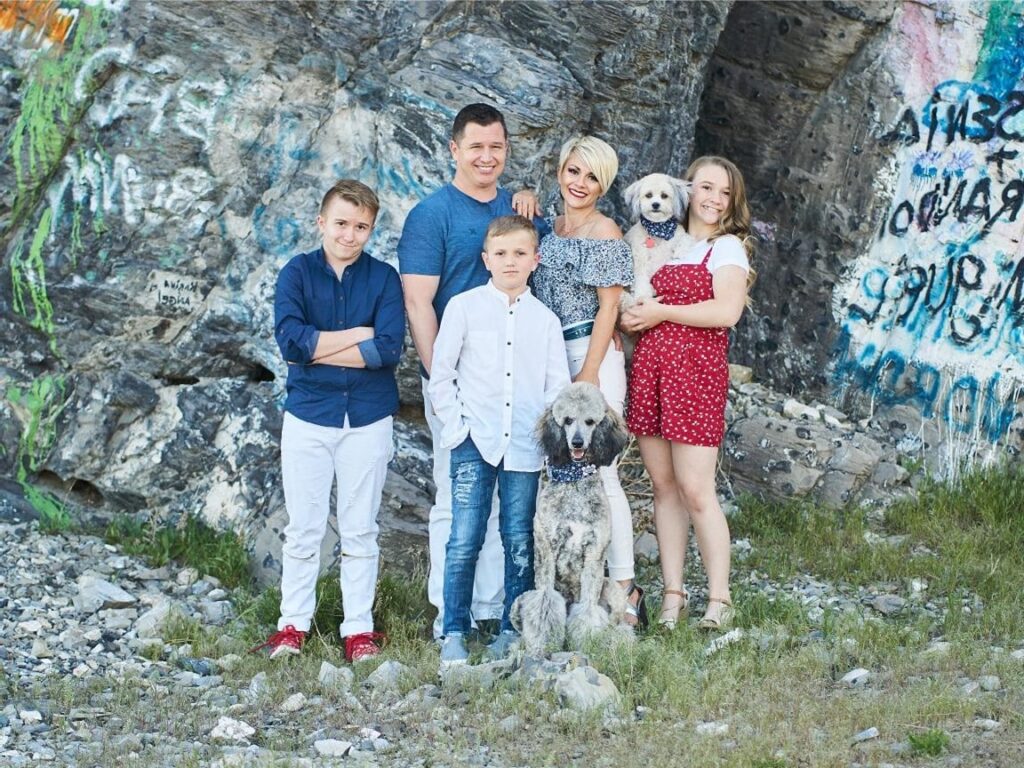
The Havanese, often called the “Velcro dog” for their tendency to stick close to their owners, is a breed with a rich history and a heart full of charm. Originating in Cuba, this lively little dog is the country’s national breed and has been adored for centuries as a loyal companion. With their silky, flowing coats and sparkling personalities, Havanese dogs were once favored by Cuban aristocracy and are now beloved worldwide. Before diving into their unique traits, let’s explore what makes the Havanese such a standout breed!

The Havanese is a small but sturdy breed, typically standing between 8.5 to 11.5 inches tall and weighing 7 to 13 pounds. Their compact size makes them perfect for apartment living while still being hardy enough for outdoor adventures. They’re best known for their gorgeous, silky coats, which can grow long and luxurious if left untrimmed, and come in various colors, including white, cream, black, and even unique patterns like brindle or sable. Their expressive, almond-shaped eyes and soft, feathered ears add to their endearing charm, making the Havanese a true showstopper in any setting.
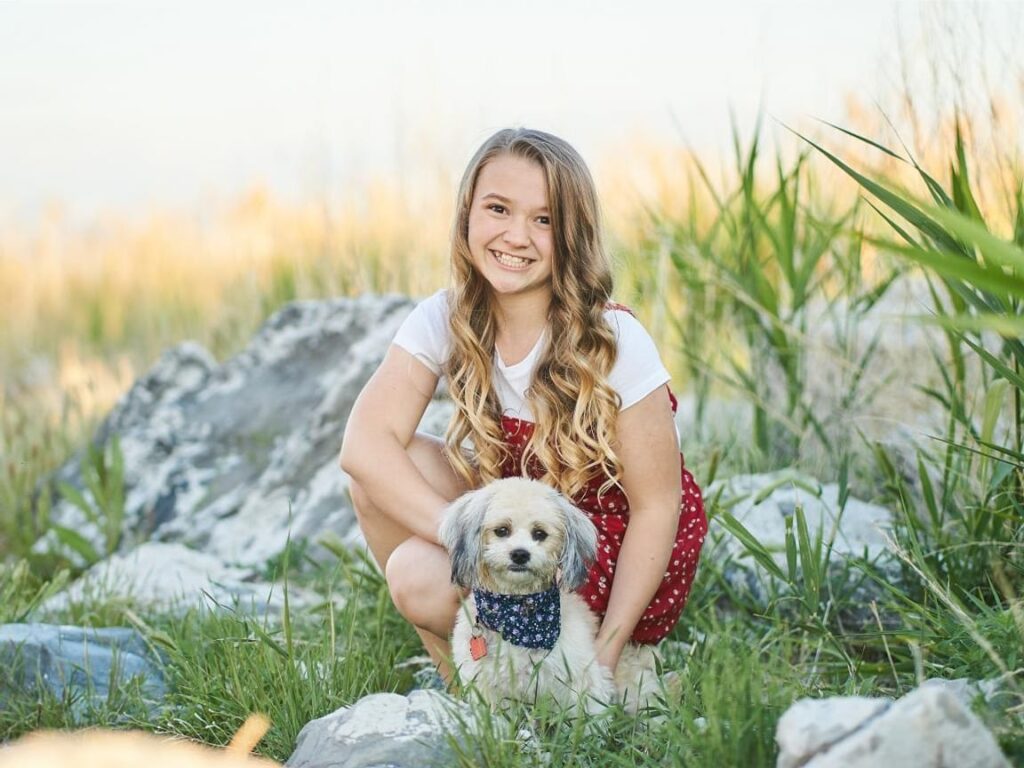
The Havanese is a true delight when it comes to temperament, known for their playful, affectionate, and cheerful nature. They are highly adaptable and thrive on human interaction, making them perfect for families, singles, and seniors alike. Havanese dogs are incredibly social and form deep bonds with their owners, often acting as loving shadows around the house. They’re also known for their gentle demeanor and can get along well with children and other pets. Always eager to please, the Havanese is a quick learner, which makes training both enjoyable and rewarding. Their lively and outgoing personality ensures there’s never a dull moment when a Havanese is around!
The Havanese is packed with special traits that set them apart as a one-of-a-kind breed. One of their standout features is their remarkable ability to adapt—they can thrive in bustling city apartments or sprawling suburban homes. Havanese dogs are also known for their comedic personalities, often entertaining their families with playful antics and clownish behavior. Beyond their physical beauty, their hypoallergenic coat is a major perk, making them a wonderful choice for allergy-sensitive households. Another unique trait is their intelligence and emotional sensitivity; Havanese seem to have an uncanny ability to sense their owners’ moods and offer comfort or joy as needed. These traits make them more than just pets—they’re true companions in every sense of the word!
The Poodle is more than just a pretty face—this breed is renowned for its intelligence, versatility, and undeniable elegance. With origins tracing back to Germany and France, Poodles were originally bred as water retrievers and have since become one of the most beloved breeds worldwide. Available in three sizes—Standard, Miniature, and Toy—they offer options for every kind of dog lover. Whether working, playing, or simply cuddling, Poodles excel in everything they do. Let’s explore the unique traits that make the Poodle a perfect parent breed for the delightful Havapoo!
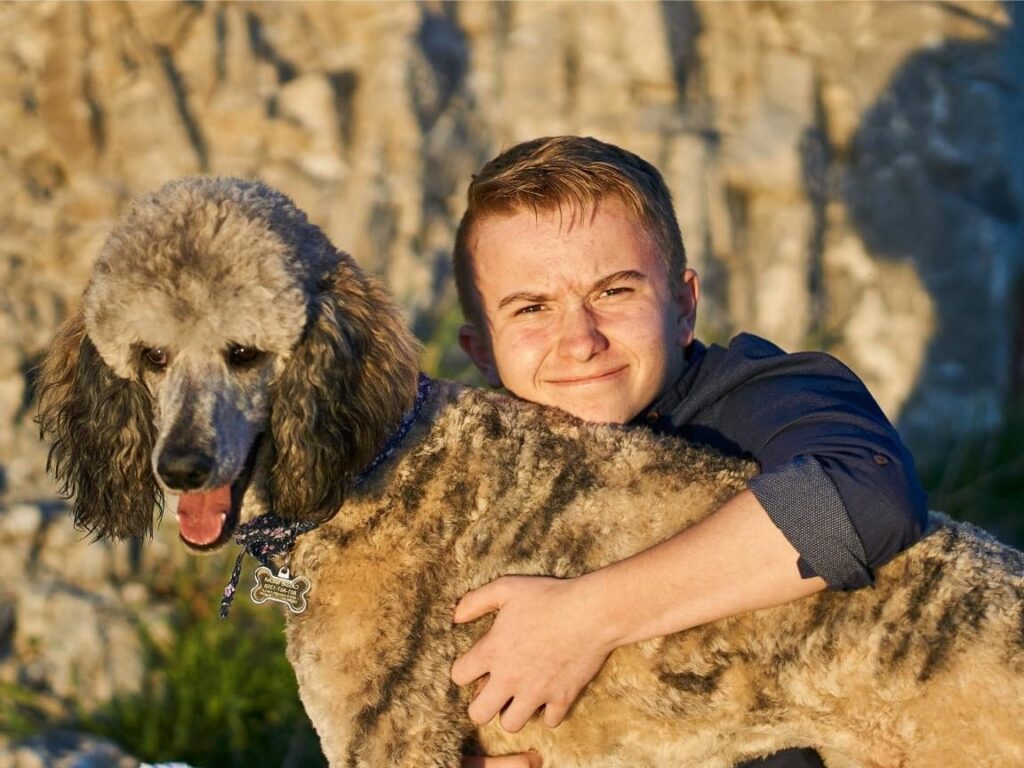
The Poodle is a breed of graceful proportions and striking beauty, available in three sizes to suit various preferences. The Standard Poodle is the largest, standing over 15 inches tall, while the Miniature Poodle measures 10 to 15 inches, and the Toy Poodle stands under 10 inches. Their well-proportioned bodies are covered in dense, curly coats that are both elegant and practical, providing water resistance and hypoallergenic benefits. Poodles come in a dazzling variety of solid colors, including white, black, apricot, and silver, as well as unique patterns like parti or phantom. Their proud posture, long necks, and expressive eyes make them a breed that commands attention wherever they go.

Poodles are celebrated for their intelligence, ranking among the smartest dog breeds. They are highly trainable and eager to please, making them ideal for families, competitive sports, or even therapy work. Their temperament is as delightful as their appearance—they are affectionate, loyal, and love to be the center of attention. While playful and energetic, Poodles also have a calm and composed side, making them incredibly versatile companions. Their innate sensitivity allows them to quickly adapt to their owner’s moods, creating a deep emotional connection that endears them to everyone they meet.
What truly sets the Poodle apart is their exceptional versatility and unique traits. They are hypoallergenic, thanks to their non-shedding, curly coats, making them a popular choice for people with allergies. Poodles are natural athletes and excel in activities like agility, obedience, and even dock diving—a nod to their water-retriever roots. Their intelligence goes beyond training, as they often display problem-solving skills and a knack for understanding complex commands. Above all, Poodles have a refined elegance combined with a playful spirit, making them a breed that embodies both beauty and brains.
Combining the Havanese and Poodle creates the ultimate hybrid: a Havapoo! This delightful mix brings together the best traits of both parent breeds, blending the Havanese’s cheerful, affectionate nature with the Poodle’s intelligence and hypoallergenic coat. The result is a playful, loving, and highly trainable companion that’s perfect for families, singles, and seniors alike. Havapoos inherit the adaptability and charm of the Havanese, paired with the Poodle’s elegance and versatility, making them a wonderful addition to any home. Let’s dive into why this pairing is a match made in puppy heaven!
When it comes to intelligence and trainability, the Havapoo is a star pupil! This hybrid benefits from the Poodle’s renowned smarts and problem-solving abilities, paired with the Havanese’s eager-to-please attitude. The result is a dog that’s not only quick to learn commands but also thrives on mental stimulation and positive reinforcement. Whether you’re teaching basic manners, fun tricks, or even advanced agility, the Havapoo is up for the challenge. Their sharp minds and loving personalities make training a rewarding experience for both you and your pup!
The Havapoo’s quick learning ability is a testament to the brilliance of both parent breeds. Poodles are famously intelligent, ranking among the smartest dog breeds, while Havanese are known for their attentiveness and desire to please. This winning combination creates a puppy that picks up commands and routines with ease. From basic obedience like “sit” and “stay” to more complex tricks and games, Havapoos are eager learners who thrive when challenged. Their ability to quickly adapt and retain new skills makes them a joy to train, whether you’re a first-time dog owner or an experienced trainer.
Thanks to their friendly disposition and manageable trainability, Havapoos are particularly well-suited for first-time dog owners. Their innate desire to please and bond with their humans makes training sessions enjoyable and effective, allowing novice owners to build confidence while teaching essential commands and tricks. Additionally, Havapoos are naturally sociable and adapt well to various living situations, alleviating some of the stress of introducing a new pet into the home. With their gentle nature, affectionate behavior, and willingness to learn, Havapoos provide a supportive and loving companion, ensuring alleviating some of the stress of first-time owners feel empowered and successful in their new role as dog parents.
Havapoos truly shine as versatile canine companions, capable of excelling in various roles and activities. Their intelligence and eagerness to please make them ideal candidates for obedience training, agility courses, and therapy work. Whether you want a dog that can perform impressive tricks, participate in dog sports, or provide emotional support, the Havapoo is up to the task. Their adaptability allows them to thrive in diverse environments—bustling city parks, family gatherings, or quiet home settings. This versatility extends to their ability to bond with people of all ages, making them great playmates for children, comforting companions for seniors, and loyal friends for everyone in between. With their boundless energy and loving disposition, Havapoos are not just pets but dynamic partners in life’s adventures!
One of the standout features of the Havapoo is its hypoallergenic coat, making it an excellent choice for allergy sufferers. This delightful hybrid inherits the Poodle’s non-shedding, curly fur and the Havanese’s silky texture, resulting in a coat that is both beautiful and minimizes dander and allergens in the home. The combination of these traits creates a low-shedding breed that requires regular grooming to maintain its stunning appearance, but the effort is well worth it for families looking for a cuddly companion without the worry of triggering allergies. Let’s explore the unique qualities of the Havapoo’s hypoallergenic coat and why it makes this breed so appealing to dog lovers everywhere.
One of the most appealing aspects of the Havapoo is its low-shedding coat, which significantly contributes to a cleaner home environment. Unlike many dog breeds that leave a trail of fur behind, Havapoos shed minimally due to their Poodle heritage, which is known for its curly, dense fur that traps dander and loose hairs. This means less sweeping and vacuuming for you and a reduced amount of allergens circulating in your living space. This characteristic is especially beneficial for families with young children or allergy sufferers, allowing for a more comfortable home without compromising on the joy of having a furry friend. With their beautiful coats, Havapoos offer the perfect blend of companionship and cleanliness, making them an ideal choice for those seeking a low-maintenance pet.
The Havapoo’s coat is not only low-shedding but also incredibly soft and manageable, making grooming a delightful experience for both you and your furry friend. Inheriting the silky ‘hair’ of the Havanese combined with the Poodle’s curly texture, Havapoos boast a luxurious coat that feels wonderful to the touch. This softness enhances their cuddly appeal, inviting snuggles and affection. Havapoos are relatively easy to groom despite their longer coats, as their hair doesn’t mat as easily as some other breeds. Regular brushing—ideally a few times a week—helps maintain the coat’s health and shine while preventing tangles. This manageable grooming routine means that even novice dog owners can keep their Havapoo looking and feeling fabulous, reinforcing the bond between pet and owner. With their gorgeous, soft coats, Havapoos are the perfect companions for those who appreciate both beauty and ease of care.
Havapoos are an excellent choice for allergy-sensitive families, combining the hypoallergenic qualities of their Poodle lineage with the charming characteristics of the Havanese. Their low-shedding coats help reduce the amount of dander and hair that can trigger allergic reactions, creating a more comfortable living environment for those prone to allergies. This means that families can enjoy the companionship of a loving dog without the worry of sneezing, itching, or other allergy symptoms. Additionally, Havapoos are known for their gentle and affectionate nature, making them ideal for families with children or elderly members who may have sensitivities. Their friendly disposition encourages bonding and interaction, allowing allergy-sensitive families to fully embrace the joys of dog ownership without compromising on health. With a Havapoo, families can experience the love and loyalty of a pet while minimizing the potential for allergic reactions, ensuring that everyone can enjoy the benefits of having a furry friend at home.
When it comes to being snuggly and flexible, Havapoos are the reigning champions! These delightful furballs are all about spreading love and joy, whether they’re showering you with puppy kisses or curling up in your lap for a cozy cuddle session. Their affectionate nature makes them instant best friends, ready to brighten your day with tail wags and playful antics. But wait, there’s more! Havapoos are also incredibly adaptable, making them the perfect companions for all sorts of lifestyles. Whether you live in a bustling city apartment or a spacious countryside home, these pups will adjust faster than you can say “paw-some!” They thrive in any environment, happily bouncing from a lively playdate to a relaxing movie night. With a Havapoo by your side, you’re in for a lifetime of love, laughter, and tail-wagging adventures!
Havapoos truly shine as the perfect family dog, embodying a delightful blend of playfulness, affection, and adaptability that makes them ideal companions for families of all shapes and sizes. Their gentle temperament and loving nature allow them to forge strong bonds with every family member, from toddlers to grandparents. These playful pups thrive on interaction, eagerly joining in on games, family outings, and cozy evenings at home. Their innate sociability means they get along famously with children, providing endless entertainment and companionship as they engage in fun-filled activities or simply snuggle on the couch.
Moreover, their intelligence and trainability make them easy to teach essential commands and tricks, helping to instill good manners from a young age. Havapoos are also wonderfully adaptable; they handle the hustle and bustle of family life with ease, whether it’s a chaotic morning routine or a quiet evening at home. Their affectionate nature ensures they’ll always be by your side, offering love and support whenever it’s needed. With a Havapoo in the family, you can expect a furry friend who brings joy, laughter, and abundant unconditional love into your life!
Havapoos excel at forming deep bonds with both humans and other pets, making them truly exceptional family members. Their affectionate nature drives them to seek out companionship, whether it’s curling up next to their favorite human or engaging in playful antics with furry friends. These lovable pups are social butterflies, thriving on interactions and quickly becoming integral to the family dynamic. Their gentle temperament allows them to bond effortlessly with children, providing a sense of security and companionship that can help foster empathy and responsibility in young ones.
Regarding other pets, Havapoos are typically friendly and adaptable, making them easy to integrate into multi-pet households. Their playful spirit and sociable demeanor often lead them to engage in games of chase with dogs of all sizes or even share cozy moments with cats. This ability to form strong connections with both humans and animals creates a harmonious household environment filled with joy, laughter, and plenty of tail-wagging excitement. With a Havapoo around, you can expect a household brimming with love and companionship, where every member—two-legged and four-legged—feels cherished and included.
Havapoos are the ultimate chameleons of the dog world, effortlessly adapting to any environment they find themselves in! Whether you live in a bustling city apartment, a cozy suburban home, or a sprawling country estate, these lovable pups are ready to make themselves at home. Their friendly and easygoing nature allows them to thrive in various living situations, whether navigating the hustle and bustle of urban life or enjoying the great outdoors in a more relaxed setting.
In apartment settings, Havapoos are perfectly content with their daily walks and playtime, enjoying the sights and sounds of the city while still being a manageable size for small spaces. In larger homes or backyards, they’ll delight in running and exploring, soaking up all the outdoor fun they can get! Their adaptable personality means they are just as happy to curl up on the couch for a quiet movie night as they are to join in on a family outing or playdate at the park.
Moreover, Havapoos are incredibly perceptive and intuitive, adjusting their energy levels to match the mood of their surroundings. If you’re hosting a lively gathering, they’ll bounce around, eager to join the fun. They’ll happily nestle by your side if it’s a calm evening. This versatility makes Havapoos the perfect companion for any lifestyle, ensuring that you’ll have a loving, adaptable friend by your side no matter where you are!
When it comes to the Havapoo, the perfect blend of traits from its parent breeds creates a charming and delightful companion that many dog lovers adore. Combining the compact size of the Havanese with the Poodle’s elegance, the Havapoo strikes a balance that makes them both adorable and practical. Their unique coat, a fusion of softness and hypoallergenic properties, ensures a cuddle-friendly experience for families and allergy sufferers alike. With a temperament that encompasses playfulness, affection, and adaptability, Havapoos easily fit into a variety of lifestyles, making them the ideal family dog. Let’s dive deeper into the specific traits that make the Havapoo a truly special breed!
When it comes to size, the Havapoo strikes a perfect balance between compactness and presence. Typically weighing between 7 to 15 pounds, these delightful dogs are the ideal companions for both city dwellers and suburban families alike. Their manageable size makes them easy to handle, whether you’re carrying them in your arms, tucking them under your arm for a quick outing, or watching them romp around in the backyard. With their petite stature, Havapoos fit seamlessly into various living environments, making them a flexible choice for dog lovers who appreciate both portability and playful energy.
Havapoos are small enough to be easily portable, making them ideal companions for people on the go. Their lightweight stature allows you to carry them with ease, whether you’re heading to the park, traveling in the car, or visiting friends. This portability means you can take your Havapoo almost anywhere, and they’ll happily join you on adventures, from outdoor strolls to trips to pet-friendly cafes. Their manageable size also allows them to comfortably fit in your lap during cozy evenings at home, ensuring they’re always nearby for snuggles.
Living in an apartment doesn’t mean you have to compromise on having a furry friend! Havapoos thrive in smaller living spaces due to their compact size and adaptability. They don’t require vast amounts of room to roam; instead, they enjoy regular walks and playtime that can easily be accommodated in urban settings. Their affectionate nature also means they are content to relax indoors, curling up on the couch or exploring your living room. Whether you live in a high-rise or a house, a Havapoo will find a way to make your home feel complete.
The petite size of the Havapoo makes them a perfect playmate for children. Weighing between 7 to 15 pounds, they are small enough for kids to handle, yet sturdy enough to engage in playful interactions without overwhelming younger family members. Their gentle and friendly demeanor means they can easily handle the excitement of playful kids, making them a safe choice for families. With their playful spirit and loving nature, Havapoos create wonderful memories of friendship and joy in children’s hearts.
The coat of a Havapoo is one of its most appealing features, combining the best qualities of both the Havanese and the Poodle. This delightful hybrid boasts a soft, silky texture that feels luxurious to the touch, inviting endless cuddles and snuggles. Not only is their coat beautiful, but it is also hypoallergenic, significantly reducing shedding and dander—making them a fantastic choice for families with allergies. With a grooming routine that keeps their fur healthy and tangle-free, the Havapoo’s coat ensures that your furry friend always looks their best while being a low-maintenance option for busy pet parents.
One of the most attractive features of the Havapoo is its hypoallergenic coat, making it an excellent choice for families who suffer from allergies. The Poodle lineage contributes to this low-shedding quality, which helps reduce the amount of dander and hair that can trigger allergic reactions. This means that allergy-sensitive individuals can enjoy the company of a furry friend without worrying about sneezing or itching. Havapoos provide the perfect balance of companionship and comfort for those who wish to avoid allergens in their home.
The texture of a Havapoo’s coat is nothing short of luxurious! Combining the silky fur of the Havanese with the Poodle’s soft curls, their coat is incredibly pleasant to the touch. This delightful softness invites endless snuggles, creating a perfect cuddle buddy for those chilly evenings or lazy afternoons. The unique blend of textures enhances their adorable appearance and makes them irresistible to pet and pamper, ensuring that they are always at the center of attention during family gatherings or cozy nights in.
While the Havapoo’s coat requires regular grooming to maintain its health and beauty, it is surprisingly easy to manage compared to other long-haired breeds. A weekly brushing is usually sufficient to keep their fur free of tangles and mats while distributing natural oils for a shiny finish. Additionally, their low-shedding nature means that less fur ends up on your furniture and clothing. This manageable grooming routine makes the Havapoo an attractive option for busy families who want a low-maintenance pet that still looks fabulous!
The temperament of the Havapoo is truly what makes them stand out as a beloved family companion. Known for their playful and affectionate nature, these dogs thrive on human interaction, bringing joy and laughter to any household. Their intelligence, inherited from the Poodle, means they are quick learners, eager to please, and responsive to training. Coupled with the Havanese’s friendly disposition, Havapoos are social butterflies that easily bond with both humans and other pets. This combination of traits creates a loving atmosphere, making them the perfect furry friend for families of all sizes.
Havapoos are the epitome of playful affection, radiating joy and love in every interaction. Their cheerful personalities and enthusiasm for life make them delightful companions who love to engage in playtime and explore their surroundings. They thrive on human interaction, often showering their families with kisses and cuddles, ensuring everyone feels loved and valued. This affectionate nature creates a warm and inviting atmosphere in the home, making every day feel like a celebration with your furry friend by your side.
Inheriting the intelligence of the Poodle, Havapoos are quick learners who are eager to please their owners. Their ability to grasp new commands and tricks makes training sessions enjoyable and rewarding for both the dog and the owner. This intelligence means that they thrive on mental stimulation, so incorporating fun games and training exercises into your daily routine will keep them engaged and happy. Their willingness to learn also helps instill good manners, ensuring they are well-behaved members of the family.
Havapoos are true social butterflies, thriving on interaction with both humans and other pets. Their friendly nature means they make friends easily, whether at the dog park, on neighborhood walks, or during family gatherings. They have a natural affinity for building connections, ensuring that everyone feels included and loved. Their sociable demeanor also allows them to adjust well to different environments, making them perfect companions for families with multiple pets or for those who frequently host gatherings. With a Havapoo, you’ll always have a loving friend who is ready to spread joy and camaraderie!
Havapoos are incredibly versatile and adaptable, making them suitable for a wide range of lifestyles. Whether you’re a bustling family with children, a single professional living in a city apartment, or an active retiree, these charming pups can easily fit into your daily routine. Their friendly nature ensures they thrive in social settings, while their affectionate disposition makes them great companions for those seeking emotional support. With their ability to adjust to various environments and their loving personalities, Havapoos are not just pets; they become cherished family members who bring joy to every situation.
The Havapoo’s friendly and adaptable nature makes them ideal family companions, effortlessly fitting into homes with children and other pets. Their playful demeanor and gentle temperament ensure that they can handle the excitement of family life, providing endless entertainment and affection. They become cherished members of the family, joining in on fun activities, family outings, and cozy evenings at home. With their ability to bond deeply with all family members, Havapoos create lasting memories and a sense of togetherness that enriches family life.
Whether you lead an active lifestyle or prefer more relaxed, cozy evenings at home, the Havapoo adapts seamlessly to your routine. Their playful energy makes them great companions for outdoor adventures, but they are equally content to lounge on the couch after a busy day. This versatility allows them to thrive in diverse settings, whether you enjoy jogging, hiking, or simply strolling through the neighborhood. Havapoos can match your energy level, ensuring that every day is an enjoyable experience for both you and your furry friend.
Havapoos are not only loving companions but also excel as therapy dogs due to their gentle temperament and affectionate nature. Their ability to sense emotions and provide comfort makes them excellent support animals for those in need. Whether visiting schools, hospitals, or senior care facilities, Havapoos bring smiles and joy to those they meet. Their calm demeanor and natural empathy allow them to connect with individuals from all walks of life, making a positive impact on the emotional well-being of those they interact with. With their nurturing spirit, Havapoos are truly exceptional companions for providing love and support.
As with any beloved breed, potential owners often have a variety of questions when it comes to the charming Havapoo. This delightful hybrid combines the best qualities of the Havanese and Poodle, but what does that mean in terms of care, training, and overall lifestyle? Whether you’re curious about their grooming needs, exercise requirements, or how well they adapt to different living environments, understanding these adorable pups is essential for making an informed decision. In this section, we’ll address some of the most common questions about Havapoos to help you gain a clearer picture of what it’s like to share your life with one of these affectionate and adaptable companions. Let’s dive into the frequently asked questions and discover what makes Havapoos such a beloved addition to families everywhere!
When considering adding a furry friend to your family, it’s crucial to evaluate how well they’ll fit in with your little ones. Havapoos, a charming mix of Havanese and Poodle, are often celebrated for their friendly and affectionate nature, making them a popular choice for families with children.
The Havapoo Temperament
Havapoos are known for their generally gentle and sociable demeanor. They tend to form strong bonds with their families and can be very affectionate with kids. These dogs often enjoy playtime and have a playful spirit, which can make them wonderful companions for children.
Key Traits of Kid-Friendly Dogs
Gentle Nature: Havapoos typically have a kind disposition and are small in size, which can make them less intimidating to young kids.
Playful Attitude: Their playful behavior suits a household with energetic children who love to engage in games.
Intelligent and Trainable: Thanks to their Poodle lineage, Havapoos are intelligent and relatively easy to train. This trait aids in teaching them proper ways to interact with children and maintain good behavior.
Important Considerations
Supervision is Essential: Even though Havapoos are usually great with kids, it’s vital to supervise interactions, especially with very young children. This ensures that play remains safe and respectful for both the dog and the kids.
Training and Socialization: Early socialization and consistent training can enhance a Havapoo’s ability to thrive in a family environment. They should be exposed to various situations, people, and other pets to build their confidence and adaptability.
Meeting Your Family’s Needs
When introducing a Havapoo into your home, consider their individual temperament and history. Observe their interactions with children during visits or meet-and-greet sessions to gauge how well they might integrate into your family dynamic.
In conclusion, while Havapoos generally exhibit kid-friendly traits due to their affectionate nature and friendliness, each dog is an individual. By taking the time to understand their specific behaviors and needs, you can ensure a harmonious relationship between your new pet and your children.
Havapoos, known for their affable nature, are generally a wonderful fit for families and individuals alike. This breed’s charm lies in its ability to interact harmoniously with both children and other pets when properly introduced and socialized.
Interaction with Children
Havapoos exhibit a playful demeanor that makes them delightful companions for children. Their size, however, means it’s essential to teach kids to handle them with care. Small dogs like the Havapoo may be more susceptible to injury, so guiding children on gentle interaction is crucial. When respected, Havapoos can develop a strong bond with young family members, making childhood memories even more joyful.
Getting Along with Other Pets
Their sociable personality often extends to other animals in the household. Havapoos tend to adapt well when other pets are around. However, as with any introduction, early socialization plays a key role in ensuring a smooth relationship. It is advisable to monitor initial interactions, especially around pets that may be more boisterous or assertive. This supervision helps maintain a peaceful environment and assures the Havapoo’s docile nature is preserved.
The Role of Training
Investing in early training can cultivate the Havapoo’s natural qualities, such as its affectionate, playful, and intelligent nature. Structured training sessions assist in reducing any mischievous tendencies that might arise from boredom, ensuring that your pet remains a well-mannered and fun companion for all family members, both human and animal.
In summary, the cheerful and adaptable Havapoo can indeed coexist beautifully with children and other pets, provided they are introduced to these environments with proper care and guidance.
Havapoos, a delightful crossbreed between Havanese and Poodles, may unfortunately inherit health issues from both parent breeds. Here’s what you need to know about the common health concerns they might face:
This condition involves a malformation of the hip joint, leading to improper alignment between the ball and socket. Over time, this results in wear and tear, causing discomfort and potentially arthritis.
Havapoos can also suffer from patellar luxation, where the kneecap dislocates from its normal position. This can lead to significant problems with mobility, including lameness and pain.
Vision issues are another concern for Havapoos. They might face problems like cataracts, which cloud the lens of the eye, or progressive retinal atrophy, which leads to gradual vision loss.
Partial or complete deafness can occur in Havapoos. This could be due to genetic factors or develop as they age.
Thyroid issues, such as hypothyroidism, are common. This condition results from an underactive thyroid gland, leading to hormonal imbalances that can affect a dog’s overall health.
Also known as hypoadrenocorticism, this disease is characterized by insufficient hormone production by the adrenal glands. Symptoms might include weakness, lethargy, and digestive upset.
Seizures can affect Havapoos due to epilepsy, a neurological disorder. These seizures can vary in intensity and may have different underlying causes, including genetics.
Awareness of these potential health issues can help Havapoo owners take preventive measures and seek prompt veterinary care when necessary. Regular check-ups and a healthy lifestyle can go a long way in ensuring your furry friend’s well-being.
When considering the adorable and spirited Havapoo, a crossbreed of the Havanese and Poodle, it’s important to be mindful of certain health considerations. While mixed breeds often benefit from a broader gene pool, offering a natural selection of stronger traits, Havapoos, like any breed, still have specific health concerns.
Hip Dysplasia
This condition occurs when the hip joint fails to fit together perfectly, leading to potential wear and tear. Over time, this can cause discomfort and arthritis.
Patellar Luxation
Havapoos may experience this knee issue, where the kneecap slips out of place. Symptoms can include limping, pain, or occasional difficulty in walking.
Eye Conditions
Some Havapoos might inherit eye problems, such as cataracts or progressive retinal atrophy. These conditions can lead to impaired vision or even blindness if not managed.
Deafness
Loss of hearing can be either congenital or develop with age. Regular ear checks can help spot any early signs of potential issues.
Thyroid Problems
Hypothyroidism is a thyroid condition that may occur, leading to issues like weight gain and lethargy due to hormonal imbalances.
Addison’s Disease
This hormone deficiency can lead to symptoms such as weakness or vomiting. Early diagnosis is key to managing it effectively.
Epilepsy
Some Havapoos might face recurring seizures related to this neurological disorder, which can range in severity and underlying causes.
By staying aware of these common health issues, you can ensure that your Havapoo stays healthy and happy for many years.
Havapoos, a charming mix of Havanese and Poodle, are generally known for their friendly disposition toward strangers. Their naturally sociable nature makes them likely to greet newcomers with wagging tails and enthusiastic nuzzles. These traits stem from their parent breeds, both of which are recognized for affable temperaments.
Socialization: Like all dogs, a Havapoo’s comfort with strangers largely depends on early socialization. Puppies exposed to a variety of people—different ages, sizes, and styles—tend to be more open and welcoming to unfamiliar faces as adults.
Breed Tendencies: Despite their friendliness, individual Havapoos may exhibit a range of behaviors due to their unique lineage. While many are naturally outgoing, some Havapoos might lean towards being shy or reserved.
Training: Consistent and positive training can reinforce friendly behavior and ensure even the shyest Havapoos are confident and relaxed around strangers.
Although Havapoos are generally amicable, it’s important to ensure they are not overly excitable or anxious in social settings. Owners should aim to strike a balance, encouraging friendliness while maintaining control and composure.
Remember, even the most sociable Havapoos should be leashed in public spaces to maintain safety and manage unexpected situations calmly.
In conclusion, if you’re seeking a friendly companion who will likely warm up to strangers with ease, a Havapoo could be an excellent match. With proper socialization and training, these lovable dogs can charm just about anyone they meet.
Havapoos, a delightful mix of Havanese and Poodle, often display a friendly demeanor towards other dogs. Their temperament largely depends on a combination of factors, including their genetics, upbringing, and social experiences.
Genetics and Breed Characteristics: While Havapoos are generally known for their sociable and playful nature, keep in mind that individual personalities can vary. Their mixed-breed background often makes them more adaptable, but it’s crucial not to rely solely on breed characteristics when predicting behavior.
Early Socialization: One of the most significant influences on a Havapoo’s dog-friendliness is early socialization. Puppies that have ample opportunities to interact with other dogs during their formative weeks tend to develop better social skills. These interactions can help them learn appropriate play behaviors and communication signals.
Environmental Influence: The environment in which a Havapoo is raised also plays a key role. Dogs that are exposed to a variety of social situations and other animals in a positive setting are more likely to be amiable and confident around their canine peers.
Training and Reinforcement: Consistent positive reinforcement training can enhance a Havapoo’s friendly disposition. Rewarding good interactions with other dogs encourages positive behavior and helps reduce any potential anxiety or aggression.
Overall, while Havapoos have a natural inclination toward sociability, fostering their dog-friendly demeanor requires attentive care, early socialization, and patient training.
Havapoos are typically healthy dogs, but, like many breeds, they can face certain health challenges. Here’s what to watch for:
Hip Dysplasia: This hereditary condition occurs when the ball and socket of the hip joint don’t fit together properly. It can lead to discomfort and arthritis if not managed well.
Patellar Luxation: This issue involves the knee cap slipping out of place, which can cause pain and may lead to mobility problems over time. It often requires veterinary attention to ensure the dog remains active and comfortable.
Eye Disorders: Havapoos may also be prone to developing various eye conditions, such as cataracts and progressive retinal atrophy. Early detection and treatment are crucial to maintaining their eye health.
Routine check-ups with your veterinarian can help identify these issues early, allowing for better management and care throughout your Havapoo’s life.
When you’re ready to bring a Havapoo into your home, choosing the right breeder is crucial. Here are key factors to consider:
Health Screening: A reputable breeder should prioritize the health of their puppies. Ensure they conduct comprehensive veterinary health screenings on their breeding dogs, checking for genetic and other health issues common in Havapoos.
Early Socialization: Good breeders invest time in socializing puppies early. They introduce them to various environments and experiences, ensuring well-adjusted pets that adapt comfortably to new situations and people.
Lifetime Support: Opt for breeders who commit to offering lifelong support. This means they will be available to answer questions and provide assistance throughout your puppy’s life, not just at the point of sale.
Transparency and Engagement: A trustworthy breeder should be open to discussing their breeding processes and happy to answer any questions you have. They should also invite you to see where the puppies are raised, as this can speak volumes about the care and attention given to their animals.
Profit-Driven Practices: Be wary of breeders primarily focused on profit. Indicators include poor health care, lack of proper socialization, and reluctance to show you their facilities or breeding practices.
Lack of References and Reviews: As a precaution, always request references or look for reviews from previous buyers. Reliable feedback from others can guide you toward making a well-informed decision.
The quality of your Havapoo’s upbringing can significantly affect their health and behavior, so taking the time to choose the right breeder is essential.
To ensure your Havapoo’s coat looks its best and remains healthy, understanding its unique characteristics is key. This delightful breed can sport a variety of colors and shades, including black, white, brown, tan, gray, silver, apricot, and “blue” – a dark hue at the surface with a mix of colors at the root.
The texture of a Havapoo’s coat depends largely on its genetic makeup. If your Havapoo takes after its Poodle parent, expect a dense, curly coat. This type often repels water, which is a handy feature inherited from Poodles, bred as water retrievers. On rainy days, while a wipe-down is still needed, it will take less time than with other breeds.
Conversely, if your furry friend resembles the Havanese side, its coat will be long and silky. This type requires dedicated care to avoid becoming tangled or matted. Regular brushing is essential to maintaining its smooth appearance and preventing natural cords from forming.
Brushing: Regardless of coat type, aim to brush your Havapoo a few times a week. This not only keeps their coat free of tangles, especially in the silky Havanese type, but also helps distribute natural oils, promoting a healthy shine.
Bathing: Plan to bathe your Havapoo every one to two months. Overbathing can strip their skin of natural oils, so balance is crucial.
Climate Considerations: With a medium tolerance to temperature extremes, your Havapoo needs proper shelter and hydration during hot summers. Come winter, consider a cozy jacket, particularly for older dogs or those with less fur, when venturing out into the cold.
With a bit of regular grooming and care, your Havapoo will not only look fantastic but will also feel their best. Enjoy the bonding time each grooming session brings!
Caring for your Havapoo involves a few key practices to ensure their well-being and happiness. Here’s how you can keep your furry friend in top shape:
Every Havapoo might have slightly different exercise needs, depending on their specific lineage. It’s wise to discuss with your veterinarian to tailor an exercise plan that best suits your dog’s individual requirements. They can provide personalized advice ensuring your Havapoo stays healthy and content.
Havapoos, a delightful mix of Havanese and Poodle breeds, often inherit a blend of traits, including sensitivity. This sensitivity can vary significantly among individual dogs, much like in people. But how does this trait shape their behavior?
Havapoos tend to display a moderate to high sensitivity level. This means they’re more inclined to notice subtle shifts in their surroundings, which can impact their reactions to everyday situations. Their acute sensory perception often makes them more attuned to changes in household dynamics, the mood of their human companions, and environmental stimuli.
Positive Traits:
Empathetic Companions: Havapoos often excel in providing emotional support. Their sensitivity allows them to form deep connections and respond empathetically to the emotions of those around them.
Observant Learners: Their ability to notice subtle cues can make them quick learners during training sessions, responding well to positive reinforcement.
Challenges:
Potential for Anxiety: Due to their heightened awareness, Havapoos might be prone to anxiety in chaotic environments or during sudden changes in routine. This sensitivity means they may need a calm and stable setting to thrive.
Reactive to Noise: Loud noises or unexpected events like thunderstorms or fireworks might unsettle them, necessitating a comforting presence or a quiet space to help them feel secure.
For families with young children or active households, understanding a Havapoo’s sensitivity is crucial. Adopting one into a bustling home means ensuring they get ample support and reassurance. Conversely, their attentive nature might be perfect for someone seeking a deeply bonded companion.
In summary, Havapoos’ sensitivity greatly enriches their relationships with humans but can also demand certain environmental considerations to ensure their well-being. Being aware of these traits can help potential owners prepare a nurturing environment where their Havapoo can flourish.
Selecting a breeder when considering a Havapoo puppy is a significant decision. Here are some key factors potential Havapoo owners should contemplate:
Start by seeking out breeders with a strong reputation. Look for reviews, testimonials, and ratings from other Havapoo owners. Trusted sources like the American Kennel Club or the Better Business Bureau can provide valuable insight into a breeder’s credibility.
Ensure the breeder adheres to ethical breeding standards. This means they prioritize the health and well-being of their dogs. Ask about their breeding philosophy, and avoid those who seem more profit-oriented than concerned about their puppies’ welfare.
A responsible breeder will conduct comprehensive health screenings on their puppies. Verify that they test for genetic issues common in Havapoos, and ask for documentation of these health checks. This step is crucial in ensuring you receive a healthy puppy.
Visit the breeder’s facility if possible. Pay attention to the cleanliness and living conditions. Puppies should have ample space to play and socialize. A nurturing environment is essential for their development and socialization.
Inquire about how the puppies are socialized. Reputable breeders invest time in preparing puppies for life with a family, which includes exposing them to different people and environments to foster friendly and adaptable temperaments.
Consider the level of support the breeder offers. A good breeder will be willing to provide ongoing assistance and advice even after you bring your puppy home. They should be open to questions and concerned about the dog’s long-term health and happiness.
By focusing on these areas, you can make an informed decision and find a Havapoo breeder who ensures you bring home a healthy, well-adjusted puppy.
When it comes to understanding the charming Havapoo, a delightful hybrid breed, you’ll find some key characteristics that define them:
This beloved breed is perfect for anyone interested in a small, loving, and energetic dog that fits well into various living situations.
Tailored Nutrition for a Small Breed
Feeding a Havapoo requires attention to their size and energy levels. Since they are a small breed with moderate energy, opt for a diet that supports their unique needs. High-quality dog food formulated specifically for small breeds often fits the bill, providing the right balance of protein, fats, and carbohydrates.
Meal Portions and Frequency
Instead of allowing unrestricted access to food, portion out meals into two or three servings a day. This approach helps prevent overeating, which Havapoos can be prone to. Measured meals support optimal weight management, keeping their health in check.
Monitoring Weight and Treats
Being moderately prone to weight gain, it’s crucial to keep a close eye on your Havapoo’s weight. This means not only controlling their main meals but also limiting treats. Select healthy, low-calorie treats and offer them sparingly.
Preventing Bloat and Ensuring Safe Exercise
Due to the Poodle heritage, Havapoos can be susceptible to bloat. To mitigate this risk, schedule any vigorous activity at least an hour away from their mealtimes—both before and after. This gives their digestive system time to process without the added stress of exercise.
Adapting to Life Stages
As your Havapoo ages, their dietary requirements will evolve from puppyhood through to their senior years. Puppies need nutrient-dense foods to support growth, while adults and seniors may require different formulations to maintain their health and vitality.
Consulting Your Veterinarian
Since each dog is unique in terms of weight, energy levels, and overall health, it’s wise to consult with your veterinarian for a tailored dietary plan. Professional guidance ensures your Havapoo receives the nutrition they need at every stage of their life.
Havapoos, a delightful mix of Havanese and Poodle, are generally known for their minimal drooling. However, understanding their drooling potential requires considering a few factors:
Genetic Factors: Since Poodles tend to drool less due to their genetic makeup, Havapoos typically inherit this trait, resulting in lower drooling levels.
Individual Variability: Like any breed, individual differences exist. Some Havapoos might drool slightly more in specific situations, such as during exciting activities or when food is near.
Health Considerations: Excessive drooling in Havapoos can sometimes indicate health issues, such as dental problems or allergies. Regular veterinary checkups can help ensure drool levels remain within a healthy range.
In short, while Havapoos are unlikely to be heavy droolers, individual circumstances and health conditions can influence their drooling tendencies. Always monitor your dog for any changes that might suggest a health issue.
Havapoos, a delightful mix between a Havanese and a Poodle, are known for their affectionate nature and strong attachment to their families. This lovable breed tends to thrive in environments where they receive ample attention and companionship. Let’s explore how they handle solitude.
Havapoos form deep bonds with their owners, which can make them susceptible to feelings of anxiety when left alone for long periods. Signs of anxiety in these dogs may include:
These behaviors indicate that a Havapoo might struggle with extended periods of solitude.
While they enjoy company, some Havapoos may exhibit a level of independence. How they cope with being alone also depends on factors such as their individual temperament and the amount of training they have received. Some may adapt better if they have a routine or are gradually introduced to short periods of solitude.
To assist your Havapoo in managing alone time:
Mental Stimulation: Engage them with interactive toys or puzzle games to keep their minds occupied.
Comfortable Environment: Ensure they have a cozy and secure spot in the house where they feel safe.
Gradual Training: Start by leaving them alone for short durations and gradually increase the time as they become more comfortable.
Exercise Before Departure: A brisk walk or play session before leaving can help them expend energy and relax.
In summary, while Havapoos may find long periods of isolation challenging, with the right training and environment, they can become more comfortable being alone. Consistent attention to their emotional needs and a structured routine will make a significant difference in their ability to cope.
Owning a Havapoo is a delightful experience, and having the right resources can make it even more rewarding. Here’s a guide to some essential information and support available for Havapoo enthusiasts:
These resources collectively offer a solid foundation for new and experienced Havapoo owners alike, ensuring a fulfilling and harmonious relationship with your furry companion.
Searching for a Havapoo to adopt can be a unique challenge due to the hybrid nature of this breed, a mix of Havanese and Poodle. While Havapoo-specific rescues may not be common, there are several effective strategies you can employ to find these charming dogs:
Start by visiting your local animal shelters, as they occasionally have mixed-breed dogs, including Havapoos, that are looking for a loving home. Shelters are always a great first stop for adopting any pet.
Consider contacting rescues that focus on the parent breeds. These organizations often take in mixes related to their specific breed of focus:
Utilize online platforms dedicated to pet adoption. Websites such as Petfinder or Adopt-a-Pet have extensive databases that allow you to filter by breed, saving you time in your search.
Join local or online pet groups and forums. These communities often share information about available pets and can alert you to Havapoos in need of adoption in your area.
By exploring these avenues, you’ll increase your chances of finding and adopting a Havapoo while supporting the welfare of rescue organizations.
Exploring small dog breeds, particularly the increasingly popular Havapoo, brings up a variety of intriguing discussions. Here’s a look at some trending topics within this niche:
Small dogs often have unique health considerations. You’ll find discussions on which breeds boast the best health, including dietary tips and exercise routines tailored for breeds like the Havapoo.
The Cavapoo, a cousin of the Havapoo, often captures attention with its charming attributes. People frequently debate the pros and cons of owning a Cavapoo, focusing on personality traits, grooming needs, and adaptability to various living environments.
When it comes to friendliness, many small-breed dogs top the list. Pet enthusiasts compare breeds like the Havapoo for their gentle temperaments and ability to coexist peacefully with families and other pets.
As small dog breeds rise in popularity, so does the importance of finding trustworthy breeders. There’s a growing discussion about what to look for in a reputable breeder, highlighting the significance of ethical breeding practices and health screenings.
Naming a new puppy is a delightful challenge, and themed names are all the rage. Ideas for unique and themed dog names, influenced by popular culture or seasonal trends, are widely shared among new puppy owners.
By exploring these topics, potential dog owners can make informed decisions and enhance their experience with their small breed companions.
Ensuring your dog’s safety during playtime is crucial for their well-being and your peace of mind. Here are key steps to follow:
Inspect the Play Area: Before letting your dog loose, check the area for any potential hazards. Remove sharp objects, toxic plants, or anything small enough to swallow.
Choose Safe Toys: Opt for toys that are appropriate for your dog’s size and strength. Avoid those with easily detachable parts that could become choking hazards. Brands like Kong or Nylabone offer robust options.
Supervision is Key: Always keep an eye on your dog, especially when introducing them to new toys or games. This helps prevent accidents and allows you to quickly intervene if necessary.
Monitor Play Intensity: Be mindful of your dog’s energy levels and physical limitations. Older dogs or those with health issues may require gentler play to avoid injury.
Know Your Dog’s Signals: Learn to recognize signs of stress or aggression, such as growling or excessive barking, and stop play immediately if these occur.
By following these precautions, you can create a fun and secure environment that enriches your dog’s life and strengthens your bond.
Before engaging in playtime, decide on the behaviors you want to encourage in your dog. Whether it’s fetching, returning toys, or sitting calmly before throwing a ball, having a clear goal will guide your training.
Positive reinforcement heavily relies on rewarding your dog for desired behavior. Use treats, verbal praise, or physical affection to show appreciation. For some dogs, a favorite toy can also serve as a great motivator.
Consistency in rewards helps dogs understand which behaviors earn them a treat or praise. For example, if your dog consistently returns a thrown ball, always reward this action to reinforce the behavior.
Deliver the reward immediately after the desired behavior is performed. This helps your dog associate the specific action with positive outcomes, strengthening their behavior over time.
Using different types of rewards keeps your dog excited and engaged. Sometimes offer a tasty treat, other times use encouraging words or gestures. This variety prevents monotony and keeps your dog’s attention focused.
As your dog masters certain behaviors, gradually make the games more challenging. This keeps playtime mentally stimulating and further strengthens the bond between you and your pet.
Employing these strategies during playtime not only enhances your dog’s behavior but also deepens your connection, making interactions more rewarding for both you and your furry friend.
To truly engage a dog’s natural instincts during playtime, it’s essential to select activities that stimulate both their mind and body.
Throwing a ball or frisbee taps into a dog’s innate instinct to chase and retrieve. This classic game not only provides a physical workout but is also an opportunity for you and your pet to bond. For an extra twist, try using an automatic ball launcher to keep your dog entertained for longer periods.
A game of tug-of-war is perfect for encouraging your dog’s strength and tenacity. Use a durable rope toy and take turns pulling. Remember to set boundaries to keep the game positive and controlled, teaching your dog when to start and stop.
Engage your dog’s problem-solving skills by playing hide-and-seek. You can either hide yourself or use their favorite toy. Encourage them to use their nose and search for you or the toy, rewarding them with treats or praise when they succeed.
Introduce puzzle toys that challenge your dog’s intellect. These toys require them to figure out how to unlock treats or kibble hidden inside. This activity satisfies their natural curiosity and desire to “hunt” for food.
Incorporate these activities into your dog’s routine to ensure a happy, well-exercised pet that thrives on mental and physical challenges.
Wondering how to make playtime truly rewarding with your playful pup? Here’s a comprehensive guide to ensure you both have a fantastic time:
By following these guidelines, you’ll be able to enhance the joy and benefits of playtime with your playful pup, nurturing a happy and healthy relationship.
Living in an apartment with your beloved canine companion can be a delightful experience, but it comes with its own challenges. Here’s how to make the most of your space with effective training techniques for your apartment dog:
Creating a structured environment is crucial for your dog’s adaptation. Define clear boundaries within your apartment. Ensure your pet knows where to roam freely and where certain actions are off-limits. A predictable routine helps your dog feel secure and understand what’s expected.
Focus on essential obedience commands like “sit,” “stay,” “come,” and “leave it.” These commands are instrumental in managing your dog’s behavior, especially in tight spaces. Consistent training can help prevent behavioral issues and make day-to-day interactions smoother.
Barking can become a contentious issue in shared living spaces. Teach your dog quiet commands like “hush” or “quiet.” This helps keep noise to a minimum and maintains peace with your neighbors.
Limited space indoors means outdoor walks are vital. Leash training ensures your dog walks calmly and doesn’t pull or lunge in communal areas. Good leash manners are crucial, especially when encountering other dogs and people.
Crate training offers your dog a safe retreat while you’re away. It can reduce anxiety and prevent destructive behaviors. Ensure the crate is a positive, comfortable space to help avoid stress-induced barking or whining.
Adapting your dog to apartment life requires patience and consistency. With these strategies, both you and your furry friend can thrive in an apartment setting.
By accounting for these elements, you can better cater to your dog’s individual playfulness potential, ensuring they remain happy, healthy, and well-stimulated.
When considering how much exercise your dog needs, the simple rule of thumb is: more than just a quick stroll around the block. Dogs typically benefit from 30 to 60 minutes of physical activity each day. For most pups, the goal is to have them pleasantly tired by the end of their exercise session.
Extreme temperatures, whether blazing hot or freezing cold, can pose a risk to your pet. On such days, consider indoor alternatives:
Combining mental challenges with physical exertion is key. Discovering a new hiking trail or a new park can stimulate your dog’s senses in mentally and physically satisfying ways.
Ultimately, remember: A well-exercised dog is a happy, well-behaved dog. Tailoring the exercise to their specific needs will keep them healthy and strengthen your bond.
Understanding a dog’s intensity level can make all the difference in tailoring the right environment and training for them.
High-intensity dogs are like furry bundles of boundless energy. They’re always ready to go, whether it’s dragging their owner down the street during walks, enthusiastically tackling new challenges, or racing through their meals.
This high energy can be charming, but it requires consistent and structured training. These dogs need clear guidance to learn good manners. Without it, their exuberance might lead to problematic behaviors.
Keep in mind that these dogs might not fit well in all households. Their vigorous nature could be overwhelming or even risky for homes with young children or for elderly individuals.
Conversely, low-intensity dogs are the epitome of calm and composure. Their approach to life is relaxed, often preferring leisurely walks and quiet companionship over vigorous play.
This laid-back demeanor makes them perfect for individuals or families desiring a peaceful household atmosphere. They adapt well to homes with low energy and noise levels, bringing tranquility as their greatest asset.
In essence, a dog’s intensity level greatly shapes their lifestyle, influencing everything from daily activities to how they respond to training. Recognizing and adapting to these traits can foster a harmonious relationship with your furry friend
High-energy dog breeds require a tailored approach to their exercise routines, with needs that can differ even among dogs of the same breed. Importantly, age doesn’t exclude older dogs from needing exercise; they simply benefit more from shorter, more frequent activities than their younger counterparts.
In essence, your high-energy dog needs structured activities that tire them out physically and keep their minds sharp and entertained. By considering their specific needs, you ensure a happier, healthier companion.
Dogs with a high wanderlust potential often show distinct signs that hint at their adventurous spirit. Here are some indicators to watch for:
Fortunately, there are several strategies to manage a dog’s wanderlust tendencies effectively:
By understanding and addressing a dog’s natural inclinations, you can manage their wanderlust and ensure their safety, giving you peace of mind and your dog the freedom they crave within safe limits.
Excessive barking or howling can be a challenge, but with the right approach, you can manage it.
First, pinpoint the specific triggers for your dog’s excessive barking or howling. It could be anything from the sound of the doorbell to the sight of passing cars or other animals. Understanding these triggers is key to effective training.
Once you know what sets your dog off, it’s time to work on desensitization:
A well-exercised dog is often a quieter one. Here’s how to reduce excess energy and related barking:
By following these steps, you will help reduce your dog’s excessive barking and strengthen the bond you share through consistent training and positive reinforcement.
Prey drive refers to a dog’s inherent inclination to chase, capture, and sometimes subdue other animals they perceive as prey. This instinct is particularly strong in breeds historically used for hunting, like Terriers. These dogs may feel an irresistible urge to pursue fast-moving objects such as cats, squirrels, or even vehicles.
By understanding your dog’s instincts and taking these precautions, you can effectively manage their behavior and create a safe environment for them and other animals.
Training a dog with a tendency for mouthiness involves teaching them to play gently, using minimal pressure when engaging with their mouth. Here’s a step-by-step guide to help you achieve this:
By implementing these steps consistently, you can guide your dog to play more gently. You’ll nurture their understanding that a soft mouth leads to more enjoyable interaction.
Ensuring your dog remains mentally engaged is key to their overall happiness and health. Here’s how you can keep them stimulated:
Incorporate training into your routine to provide mental challenges while bonding with your dog.
By integrating these activities into your dog’s routine, you’ll help them stay mentally sharp, active, and content. Regularly introducing new experiences will keep their environment fresh and captivating.
Training your dog is crucial for ensuring their safety and well-being. Whether it’s keeping them safe within the boundaries of your yard or ensuring they respond reliably during unexpected events, training offers countless benefits. It sharpens their mind, burns excess energy, and curbs undesirable behaviors.
By sticking to these guidelines, you can create a rewarding training experience for you and your pet, enhancing your bond and their obedience.
Training a dog effectively requires understanding that, like people, dogs have unique learning styles. Recognizing these differences allows you to customize your approach, making training efficient and enjoyable for you and your pet.
First, observe how quickly your dog picks up on new commands. Some dogs, often labeled as “easy-to-train,” swiftly form a connection between a command—like “sit”—and the action required. A reward, such as a treat or praise, usually reinforces this quick understanding.
However, patience and repetition become key if your dog is slower to form these connections. You might need to repeat commands consistently while offering encouragement and rewards for smaller successes.
Not all dogs are driven by the same rewards. Some respond well to treats, while others are motivated by toys or enthusiastic affection. Adjust the type of reinforcement you offer based on what excites your dog.
Use a variety of training techniques to see which your dog responds to best:
Modify your training environment and schedule to suit your dog’s comfort. If they’re easily distracted, a quiet area might help them focus. Short, frequent sessions can be more effective than long, infrequent ones, especially for dogs with shorter attention spans.
By paying attention to these unique learning traits and preferences, you can develop a tailored training approach that aligns with your dog’s natural abilities, making the learning process a positive experience for both of you.
Training a dog successfully hinges on several key factors linked to a breed’s inherent traits and abilities.
One of the primary factors is a breed’s innate ability to quickly grasp the relationship between commands, actions, and rewards. Breeds that excel in training often learn to promptly associate a specific cue, such as “sit,” with the desired action. This leads to rapid compliance and the promise of a reward, making the training process smoother and more gratifying for the dog and its owner.
Breeds known for their intelligence and ability to focus are typically easier to train. Intelligent dogs can process new tasks quickly and recall them better. This trait allows them to follow complex commands and tasks, which is particularly beneficial in advanced training scenarios.
A strong motivation to work for rewards, whether through praise, treats, or play, greatly enhances trainability. Dogs with a high food drive are often more eager to perform tasks to receive a treat, making them more responsive during training sessions.
Dogs with a steady and consistent temperament are generally more receptive to training. A calm and stable demeanor means they are less likely to be distracted by external stimuli, allowing for more focused and effective training sessions.
While some dogs may learn quickly, others might require additional time and patience to master commands. It’s crucial to employ training strategies tailored to the dog’s learning style, ensuring repetition and consistency until associations are firmly established.
By recognizing and harnessing these factors, owners can optimize their approach to raising a well-trained, disciplined dog.
Recognizing whether your furry friend carries a few extra pounds can be straightforward with a simple body assessment. Here’s how you can check:
If you notice these signs or have concerns about your dog’s weight, it’s wise to consult with a veterinarian. They can provide a professional evaluation and recommend a proper management plan tailored to your pet’s needs. Regular check-ups and proactive monitoring can help keep your dog healthy and active.
Managing your dog’s weight is crucial for their overall health. Here are key strategies to help your furry friend maintain a healthy weight:
By following these strategies, you can help your dog achieve and maintain a healthy weight, ensuring a happier, healthier life together.
Researching genetic health conditions is crucial when considering bringing a new dog into your home. Knowing the common genetic illnesses associated with the breed you’re considering helps you anticipate potential health challenges. This preparation can ultimately save you from unexpected vet bills and emotional distress down the line.
Informed Decision-Making: Understanding the health history of a particular breed allows you to make a more informed choice about whether that breed is a good fit for your lifestyle.
Proactive Health Management: If you know what conditions to watch for, you can implement preventive measures and routine monitoring to catch issues early.
Confidence in Adoption: By asking the shelter or rescue about the health of a pup’s parents and relatives, you gain insights into potential inherited issues, enabling you to provide your new companion with the best start possible.
Learning about a dog breed’s genetic health can lead to healthier, happier pets and peace of mind for you as an owner.
In conclusion, the Havapoo beautifully combines the best qualities of both the Havanese and the Poodle, resulting in a truly exceptional canine companion. This delightful hybrid boasts a perfect blend of playful affection, intelligence, and adaptability, making them ideal for families, singles, and seniors alike. Their compact size and low-shedding, hypoallergenic coat make them a practical choice for various living environments, ensuring that they fit seamlessly into any household.
As a low-maintenance companion, the Havapoo offers a luxurious experience with their soft, silky fur and manageable grooming needs, allowing you to enjoy the joys of dog ownership without the added stress. With their friendly temperament, Havapoos thrive on love and companionship, forming deep bonds with their families and other pets. Whether you’re engaging in playful activities, snuggling on the couch, or simply enjoying life’s little moments, the Havapoo is always there to share the love. With all these wonderful traits, it’s no wonder that Havapoos are quickly becoming cherished members of homes across the country. Embrace the joy and companionship that a Havapoo brings into your life, and experience the magic of having the perfect blend of the best traits in one delightful package!
Because the search for the perfect puppy requires the answers.

Get ready for some serious cuteness overload! 🐾💕 Click here and meet your future best friend!
Just share your info with us! We'll be in touch super fast - like a puppy bounding to greet you! 🐶✨